


Eco Friendly Pest Control That Works
- Peyton Jones
- May 31
- 5 min read

A line of ants across the kitchen counter can make any home feel unsettled fast. But for many Florida families, the bigger concern is not just getting rid of pests - it is doing it in a way that feels safe around kids, pets, and the places you live in every day. That is why eco friendly pest control has become a practical choice for homeowners who want real protection without turning their house into a chemistry experiment.
In Vero Beach and surrounding communities, pest pressure is not a once-a-year issue. Ants, roaches, spiders, wasps, rodents, and lawn pests stay active much of the year because our climate gives them every opportunity to thrive. A greener approach can absolutely be effective here, but only when it is done with a clear plan. Eco friendly should never mean weak, and safe should never mean temporary.
What eco friendly pest control really means
A lot of people hear the term and picture a single spray bottle with a plant-based label. In real service work, it is more than that. Eco friendly pest control is a strategy that aims to reduce unnecessary chemical exposure, use targeted treatments instead of broad overapplication, and focus heavily on prevention so pests do not keep coming back.
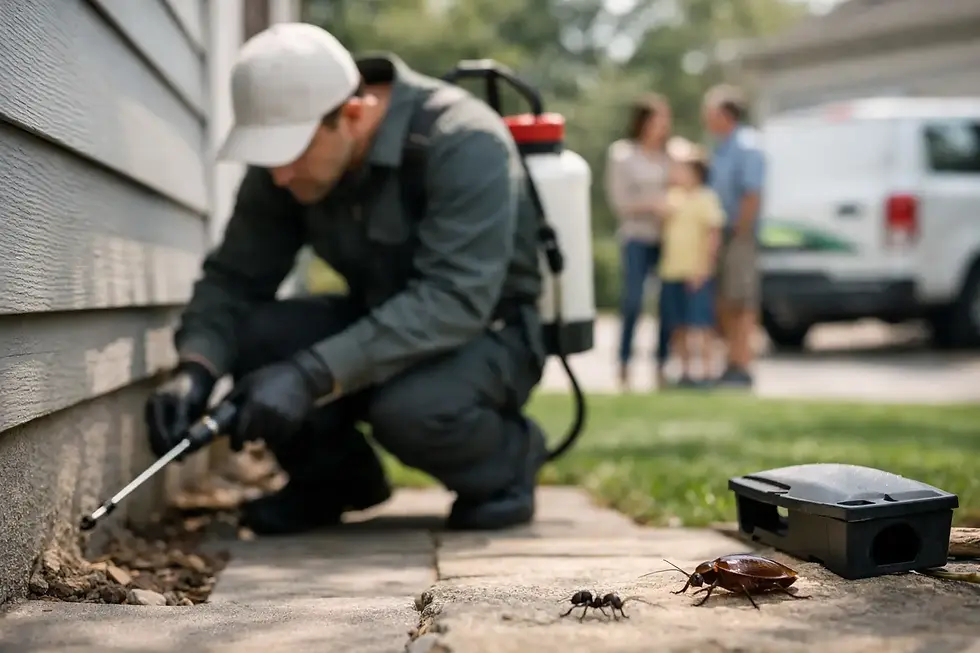
That usually means starting with inspection, identifying the exact pest, finding how it is getting in, and treating only where treatment makes sense. It can include lower-impact products, baiting systems, exclusion work, nesting-site reduction, moisture control, and ongoing monitoring. In other words, the best eco-friendly approach is often less about one magic product and more about making your property less inviting to pests in the first place.
This matters in Florida homes because pest activity often starts outside and then moves in. If the only response is to spray after you see a problem, you are always behind. Prevention-first service tends to be cleaner, more controlled, and more consistent over time.
Why Florida homes need a different approach
Pest control in Florida is not the same as pest control in places with long winters. Here, heat, humidity, irrigation, mulch beds, dense landscaping, and frequent rain create ideal conditions for insects and rodents. Even well-kept homes can deal with ghost ants in the bathroom, roaches in the garage, spiders around the pool cage, or wasps under the eaves.
That is where trade-offs come in. Some pests respond very well to low-impact targeted methods. Ants, for example, are often handled best with precise bait placement and exterior prevention rather than heavy interior spraying. Rodent control usually depends more on sealing entry points, sanitation, and trapping than on chemical use. On the other hand, a serious roach infestation or an active wasp issue may require a stronger treatment plan at the start to get control quickly and safely.
A trustworthy pest professional should be honest about that. Eco friendly does not mean refusing every conventional product under every circumstance. It means choosing the least disruptive, most effective solution for the problem in front of you, then building a prevention plan so stronger measures are needed less often.
Eco friendly pest control starts with inspection
The most important part of greener pest service is the part many people never see. A careful inspection tells you what pest is present, how severe the issue is, where activity is centered, and what conditions are feeding it. Without that step, treatment becomes guesswork.
A good inspection looks at entry points around doors and windows, gaps around plumbing and utility lines, moisture-prone spots, attic or garage activity, mulch and foundation conditions, and outdoor harborage areas. For families and pet owners, this matters because a focused treatment plan avoids the spray-everywhere approach that people often worry about.
It also helps set realistic expectations. If your home backs up to water, has heavy vegetation, or includes a screened pool enclosure, ongoing pest pressure may be part of the environment. The goal is not to promise a pest-free planet. The goal is to keep activity controlled, keep pests from establishing indoors, and reduce recurring problems before they escalate.
What safer pest control can look like in practice
In many homes, the safest and most effective service is built from several small decisions rather than one dramatic treatment. Exterior perimeter applications can be kept targeted instead of excessive. Interior products may be limited to cracks, crevices, and problem zones rather than wide open surfaces. Baits can be used where insects forage, which often gives better long-term results than contact sprays.
For rodents, eco-conscious service often means removing food sources, identifying rub marks and entry gaps, placing tamper-resistant stations where appropriate, and using traps strategically. For spiders around lanais and pool cages, reducing web-building conditions and routine removal may be just as important as treatment. For wasps, the timing of removal and nest location can matter as much as the product itself.
That is one reason recurring service is valuable. One visit can knock down a current issue, but quarterly follow-up helps catch changes in season, weather, and pest behavior before they turn into a bigger headache.
The biggest mistake homeowners make
Many homeowners wait until pests become visible in large numbers. That is understandable, but by then the problem is usually more established. Ant colonies have expanded, roaches have spread into hidden voids, or rodents have had time to settle in attics, garages, or wall spaces.
If your goal is eco friendly pest control, waiting too long often works against you. Smaller problems usually need less intervention. A prevention-based approach lets you use lighter, more targeted treatments because you are catching issues early. That is better for the home, better for peace of mind, and often better for the budget over time.
The same goes for do-it-yourself products. Store-bought sprays can seem like the simple answer, but they often treat only what you see. In some cases, they scatter pests or disrupt baiting efforts that would have worked better. A quick fix that misses the source can lead to more repeat treatments, not fewer.
Choosing the right provider for eco friendly pest control
If you are comparing companies, ask how they approach prevention, not just treatment. Ask whether they tailor service to the pest and property, whether they consider kids and pets when building a plan, and whether they rely on recurring protection instead of one-time reaction alone.
It is also worth asking who will actually show up at your home. With a local team, there is often more consistency, better follow-up, and a stronger sense of accountability. That matters when you want service that feels personal and dependable rather than rushed.
For homeowners along the Treasure Coast, local experience is not a small detail. Florida pests behave differently than pests in other regions, and treatment plans should reflect that. A company familiar with ghost ants, fire ants, moisture-loving roaches, and pool cage spider issues will usually be quicker to spot patterns and quicker to recommend practical solutions.
At Peyton's Pest Prevention, that prevention-first mindset is central to how service is done. The goal is to protect the home year-round with thoughtful, family-conscious treatment plans that are effective without being excessive.
When eco friendly is the best fit - and when it needs support
For many routine residential pest issues, an eco-conscious approach is a strong fit. Preventive exterior treatments, exclusion, baiting, monitoring, and habitat reduction can handle a lot when they are done consistently. Homes with children, pets, or homeowners sensitive to strong odors often prefer this path for good reason.
Still, every pest situation has its own limits. Heavy infestations, high-risk stinging insects, or severe rodent activity sometimes require a more aggressive first step. That does not mean the overall service stops being eco-friendly. It means the plan adjusts to solve the immediate risk, then returns to lower-impact prevention as soon as possible.
That is the kind of balance homeowners should look for - not marketing buzzwords, but honest recommendations that put safety and results in the same conversation.
A home should feel comfortable, clean, and protected. If pests keep showing up, the right answer is not more product everywhere. It is a smarter plan, built around your property, your family, and the real conditions outside your door.


Comments