


Pet Safe Pest Control for Florida Homes
- Peyton Jones
- 20 hours ago
- 6 min read

Your dog noses along the baseboards. Your cat claims the sunny window by the slider. Then you spot ants in the kitchen or a roach in the garage, and the first question is not just how to get rid of pests. It is whether pet safe pest control can actually work in a Florida home where animals live, play, and explore every corner.
The short answer is yes, but it depends on how the treatment is planned, where products are placed, and whether the service is built around prevention instead of overapplication. For families in Vero Beach and nearby communities, the goal is not choosing between pest control and pet safety. It is choosing a provider that takes both seriously from the start.
What pet safe pest control really means
Pet safe pest control does not mean every product is harmless in every situation. It means treatments are selected and applied in a way that reduces risk to the animals in your home while still targeting the pests that should not be there in the first place.
That distinction matters. Even products labeled for residential use must be handled correctly. Dogs lick floors, cats groom their paws, and some pets are drawn to unusual smells or bait placements. A thoughtful pest control plan takes those real behaviors into account.
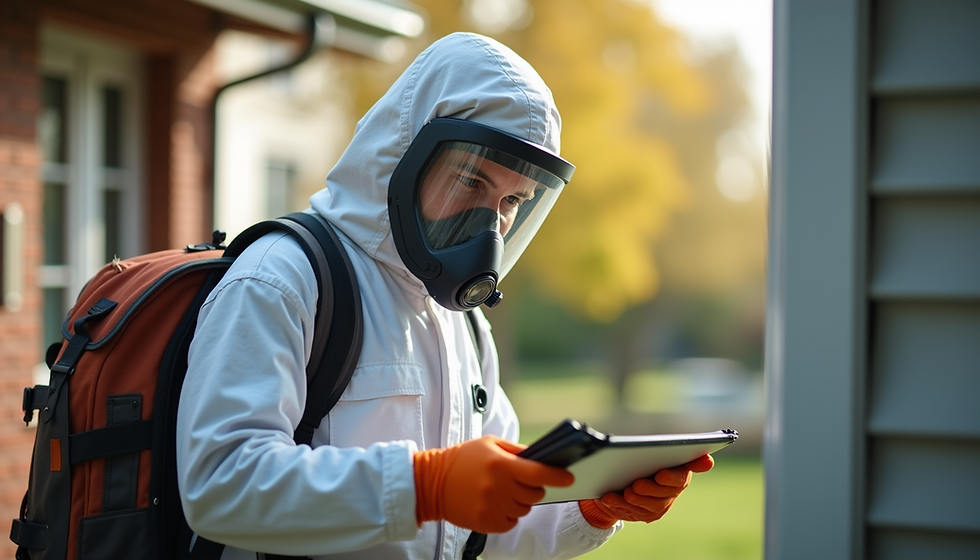
In practice, that usually means targeted applications instead of broad indoor spraying, careful crack-and-crevice treatment, exterior perimeter protection, and clear instructions about reentry times if they are needed. It also means talking through where pets sleep, eat, and spend time before service begins.
Why Florida homes need a prevention-first approach
In Florida, pests are not a one-season problem. Warm weather, humidity, frequent rain, and lush landscaping create steady pressure year-round. Ants track in from outside. Roaches move through moisture-prone areas. Spiders build up around lanais and pool cages. Rodents look for shelter when conditions shift.
If you wait until activity gets heavy, treatment often has to be more aggressive than it would have been earlier. That is one reason prevention matters so much for pet owners. A regular service plan can stop small issues before they turn into larger infestations that require more time, more product, and more disruption.
A prevention-first strategy is usually the better fit for homes with pets because it focuses on keeping pests outside and addressing entry points, nesting areas, and conducive conditions before indoor activity escalates.
Common pests where pet safe pest control matters most
Not every pest problem creates the same level of concern for pet owners. Some are mainly a nuisance. Others can affect health or create hazards in the yard.
Ants are a frequent example. Ghost ants and other small ants can show up in kitchens, bathrooms, and along windowsills. Homeowners often reach for over-the-counter ant products, but loose granules, poorly placed bait, and heavily sprayed surfaces can create unnecessary exposure risks for pets. A better plan focuses on identifying the colony activity, treating the right areas, and reducing attractants.
Roaches are another major issue in Florida homes. Beyond being unpleasant, they can spread bacteria and trigger allergies. Pet bowls left out overnight, garage clutter, and moisture around utility areas can all make a home more inviting. Effective control usually combines sanitation guidance, exterior defense, and targeted treatment in hiding spots rather than indiscriminate spraying.
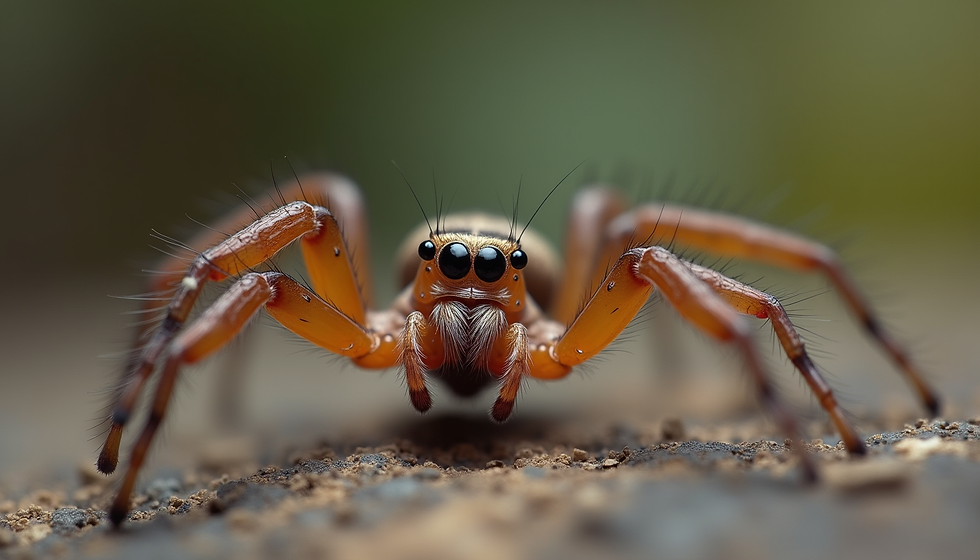
Spiders, including pool cage spider activity, often build up around exterior lights, screens, and sheltered corners. For families with pets that spend time in the yard or lanai, reducing spider pressure outside is often more valuable than treating inside after the fact.
Rodents raise a different concern. Mice and rats can contaminate stored items, chew wiring, and create sanitation issues, but rodent control must be handled very carefully in homes with pets. Trap choice, placement, and exclusion work matter a great deal. This is one area where DIY efforts can create more problems than they solve.
What to look for in a pet-safe service plan
If you are comparing providers, ask how they handle homes with dogs and cats before you focus on price. A good company should be able to explain its process in plain language.
First, they should start with an inspection. That sounds simple, but it tells you whether the service is based on your actual home or a one-size-fits-all routine. Entry points, moisture sources, pet areas, food storage, and the type of pest pressure around the property all affect the right treatment plan.
Second, they should talk about placement. Pet safe pest control relies heavily on putting products where pests travel and pets do not. Exterior perimeters, wall voids, cracks, crevices, and inaccessible areas are very different from open floor surfaces where pets walk and lie down.
Third, they should give you clear preparation and follow-up instructions. If a product requires a dry time or a short waiting period before pets return to a treated area, that should be explained upfront. If bait stations or traps are used, you should know where they will be located and why.
Finally, they should be willing to adjust the plan. A home with one indoor cat has different practical concerns than a home with two large dogs, a fenced yard, and a family that uses the patio every evening. Good service is not just effective. It is situational.
DIY pest control and pets - where it can go wrong
Many store-bought pest products are marketed as quick fixes, but convenience can be misleading. The biggest issue with DIY pest control is not always the product itself. It is incorrect use.
People often apply too much, treat the wrong areas, or mix products without understanding how they interact. They may place ant bait where a dog can reach it, use foggers that spread residues broadly, or leave rodent control products where pets can investigate them. Even natural or essential-oil-based products can be a problem for certain animals, especially cats.
There is also the bigger issue of missed causes. If you kill the insects you see but do not address why they are showing up, you are likely to repeat the cycle. That means more product use over time, not less.
Questions pet owners should ask before treatment
Before any service, it helps to share a few practical details. Tell the technician what pets you have, where they spend most of their time, whether any are elderly or have health sensitivities, and if they have access to garages, patios, or crawl-adjacent spaces.
You should also ask whether food bowls, bedding, litter boxes, toys, or pet supplies need to be moved before treatment. These are basic questions, but they help avoid preventable problems.
A trustworthy provider will not rush past these details. They will welcome them, because the best pest control results come from clear communication and a plan that fits the way your home actually works.
Why recurring service is often the safest long-term choice
When homeowners hear “ongoing pest control,” they sometimes assume it means more chemicals more often. In a well-run program, it usually means the opposite. Regular inspections and maintenance help keep pest pressure lower, which often allows for more controlled, precise treatment over time.
That matters in Florida neighborhoods where pest activity is constant. Seasonal rain, lawn conditions, nearby vegetation, and structural gaps can all shift the pressure around your property. Quarterly service gives you a chance to catch changes early and respond before you are dealing with a major indoor problem.
For families with pets, that consistency brings peace of mind. You are not scrambling during an infestation and making fast decisions with a dog underfoot or a cat hiding under the bed. You have a relationship with a local team that knows your property and can respond with a plan.
For homeowners who want a local company that understands this balance, Peyton’s Pest Prevention focuses on tailored treatment and year-round prevention with pet-safe, family-conscious service.
Pet safe pest control works best with honest communication
There is no magic product that makes every pest issue disappear with zero precautions. Anyone who says otherwise is oversimplifying the job. The real value of pet safe pest control is in smart inspection, careful application, ongoing prevention, and straightforward guidance you can trust.
That is especially important in family homes where safety is part of every decision. You want ants, roaches, spiders, or rodents handled quickly, but you also want to know your dog can head back to his favorite spot and your cat can return to the windowsill without you second-guessing the service.
If pests are showing up around your home, the best next step is not guessing. It is getting a clear inspection, asking good questions, and choosing a prevention-minded plan that protects the people and pets who live there every day.

Comments